
How To Fix A Pull Out Kitchen Faucet?
A pull out kitchen faucet is built to handle daily rinsing, filling, and cleanup with a retractable spray head and flexible hose. When a problem shows up, it is usually caused by wear parts, mineral buildup, loose connections, or an issue in the spray head and hose system rather than the faucet body itself. The good news is that most pull out faucet issues can be diagnosed quickly and fixed with basic tools if you follow a logical sequence and verify each part of the water path.
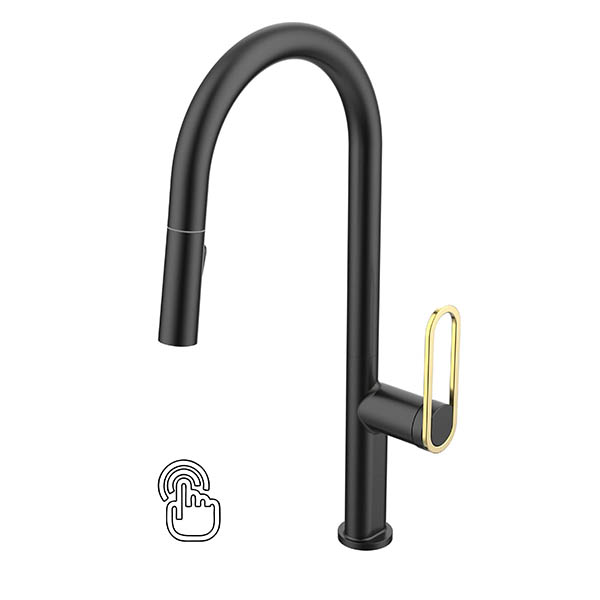
This guide focuses on the typical faults homeowners, installers, and maintenance teams face. If you are sourcing for projects or replacement programs, choosing a reliable model also reduces repeat service calls. DELICA supplies durable kitchen solutions, including the pull out kitchen faucet range designed for stable performance and consistent production quality.
Before you start: identify what is actually wrong
Start with symptoms. Each symptom usually points to a different component.
Low flow from both spray modes
Often caused by clogged aerator or spray head screen, mineral buildup, a partially closed shutoff valve, or supply line restriction.Low flow only in spray mode or stream mode
Usually linked to the spray head selector, internal diverter, or debris trapped inside the spray head.Water leaking under the sink
Most commonly from loose supply line fittings, worn seals at the cartridge area, or hose connection points.Water leaking at the spray head
Typically a worn O-ring, cracked spray head housing, or loose hose to head connection.Spray head does not retract smoothly
Often caused by a tangled hose loop, incorrect weight position, friction at the cabinet entry point, or the hose rubbing on plumbing.Handle feels stiff or temperature control is inconsistent
Usually a cartridge issue, debris inside the cartridge, or scale buildup affecting internal movement.Faucet base wobble
Often caused by a loose mounting nut or worn deck gasket.
Tools and materials that make the job easier
You do not need specialized equipment, but having the right basics prevents damage.
Adjustable wrench or basin wrench
Hex key set if your faucet uses set screws
Soft cloth and mild cleaning solution
White vinegar or descaling solution for mineral buildup
Plumber’s tape for threaded fittings
Replacement O-rings and washers suitable for kitchen faucet use
Flashlight and a small bucket
Step-by-step troubleshooting sequence
Use this order to avoid doing extra work. It moves from easiest checks to deeper internal repairs.
1. Confirm the shutoff valves and supply lines are not the restriction
A surprising number of low-flow issues come from the valves, not the faucet.
Turn off the faucet and open the cabinet
Check both shutoff valves are fully open
Inspect supply lines for sharp bends or compression points
If a line looks kinked, straighten it or replace it
If you have a project installation, uniform valve quality and correct supply hose routing reduce these issues across multiple units.
2. Clean the spray head screen and check for debris
Pull out faucets pull water through a hose into the spray head. Small debris can lodge in the screen.
Remove the spray head from the hose connection
Inspect the inlet screen or filter area
Rinse debris away and soak the screen in vinegar if mineral scale is visible
Reinstall and test flow
If flow improves immediately, the blockage was local to the spray head.
3. Fix low flow caused by mineral buildup in the spray face
Hard water can block spray nozzles and distort spray patterns.
Soak the spray face in warm vinegar solution for a controlled period
Use a soft brush or cloth to remove loosened residue
Avoid metal tools that can damage the finish or nozzle material
Rinse thoroughly and test
A well-designed pull out faucet should maintain consistent spray performance with regular cleaning. For high-use kitchens and projects, stable nozzle design and easy-to-clean spray heads reduce maintenance time.
4. Repair leaks under the sink at hose and supply connections
Leaks under the sink usually come from a fitting that has loosened over time or a seal that has aged.
Turn off both shutoff valves
Dry the area completely so you can see where the leak starts
Check the supply line connections first, then the hose connection
Tighten fittings carefully, then reopen water and observe
If tightening stops the leak, the issue was mechanical looseness. If not, inspect washers and O-rings for flattening or cracking.
5. Fix leaks at the spray head or around the pull out hose
If the spray head drips from the connection or the body seam, seals are often the cause.
Remove the spray head and inspect the O-ring
Replace the O-ring if it looks worn, flattened, or brittle
Clean the mating surfaces before reassembly
Reconnect and test with both stream and spray mode
Small seal replacements are one of the most effective maintenance actions for pull out faucets, especially in commercial kitchens where the spray head is used continuously.
6. Solve retraction problems and hose snagging
A pull out faucet relies on hose routing and weight placement to retract correctly.
Pull the hose out fully and watch where it rubs or catches
Ensure the counterweight is installed at the correct position on the hose
Confirm the weight does not hit the shutoff valves or drain pipe
Re-route the hose loop so it has a smooth curve and no twists
Test retraction several times with the cabinet door open
Retraction issues are often installation-related rather than product defects. A faucet with a well-engineered hose system is easier to route and reduces user complaints.
7. Fix a stiff handle or inconsistent mixing
If the handle feels hard to move, the cartridge may be worn or contaminated.
Turn off the water supply
Remove the handle according to the faucet design
Access the cartridge and inspect for debris or scale
If the cartridge is heavily scaled or worn, replace it
Reassemble and test for smooth operation
For property managers and project buyers, cartridge stability and consistent internal parts supply matter because they determine long-term service cost. DELICA models are built for consistent production, which supports maintenance programs and replacement planning.
8. Stabilize a loose faucet base
A wobbling faucet can stress hoses and fittings over time.
Check the mounting nut under the countertop
Tighten the mounting hardware evenly
Verify the deck gasket is seated correctly
Test for movement and confirm the faucet sits flat
This fix prevents future leaks caused by movement and vibration.
Quick symptom-to-fix table
| Symptom | Likely cause | What to do first |
|---|---|---|
| Low flow in both modes | Clogged screen, closed valve, scale | Check shutoff valves, clean spray head screen |
| Low flow in one mode | Spray selector or head blockage | Clean spray head, test selector movement |
| Leak under sink | Loose fittings or worn seals | Dry area, tighten fittings, inspect washers |
| Leak at spray head | Worn O-ring or loose connection | Replace O-ring, clean surfaces, retighten |
| Poor retraction | Hose routing or weight issue | Re-route hose loop, adjust counterweight |
| Stiff handle | Cartridge wear or scale | Inspect and replace cartridge if needed |
| Faucet wobble | Loose mounting nut | Tighten mounting hardware |
Preventive maintenance that reduces repairs
Small maintenance habits dramatically reduce failure frequency.
Clean the spray head screen periodically in hard-water areas
Avoid pulling the hose sideways at extreme angles that strain fittings
Keep the cabinet area clear so the hose and weight can move freely
Tighten mounting hardware during routine kitchen maintenance checks
Use compatible replacement seals rather than forcing incorrect sizes
Why choose DELICA pull out kitchen faucets for replacements and projects
A repair guide helps you fix problems, but the best long-term solution is selecting a faucet engineered for stability and easy servicing. DELICA supplies the pull out kitchen faucet range for buyers who need reliable day-to-day performance with predictable maintenance.
Built for high-frequency kitchen use
Pull out designs are used constantly, so stable hose connections and consistent spray head performance reduce service events.Consistent production for bulk purchasing
For distributors and projects, consistency across batches matters. It keeps installation procedures standardized and makes maintenance planning easier.Product support for long-term programs
When you manage multiple units, you need a faucet that can be maintained efficiently. Selecting a supplier with stable manufacturing and coordinated product supply helps reduce downtime.
Conclusion
To fix a pull out kitchen faucet, start with the simplest checks: shutoff valves, supply line routing, and spray head screens. Most low-flow and spray issues come from debris or mineral buildup in the spray head. Leaks are usually caused by loose fittings or worn seals, and retraction problems are commonly solved by correcting hose routing and counterweight placement. If the handle becomes stiff or mixing is inconsistent, the cartridge is the most likely component to inspect and replace.
If you are sourcing a pull out faucet for a remodel, distribution, or project installation, explore DELICA options here: pull out kitchen faucet.